

|
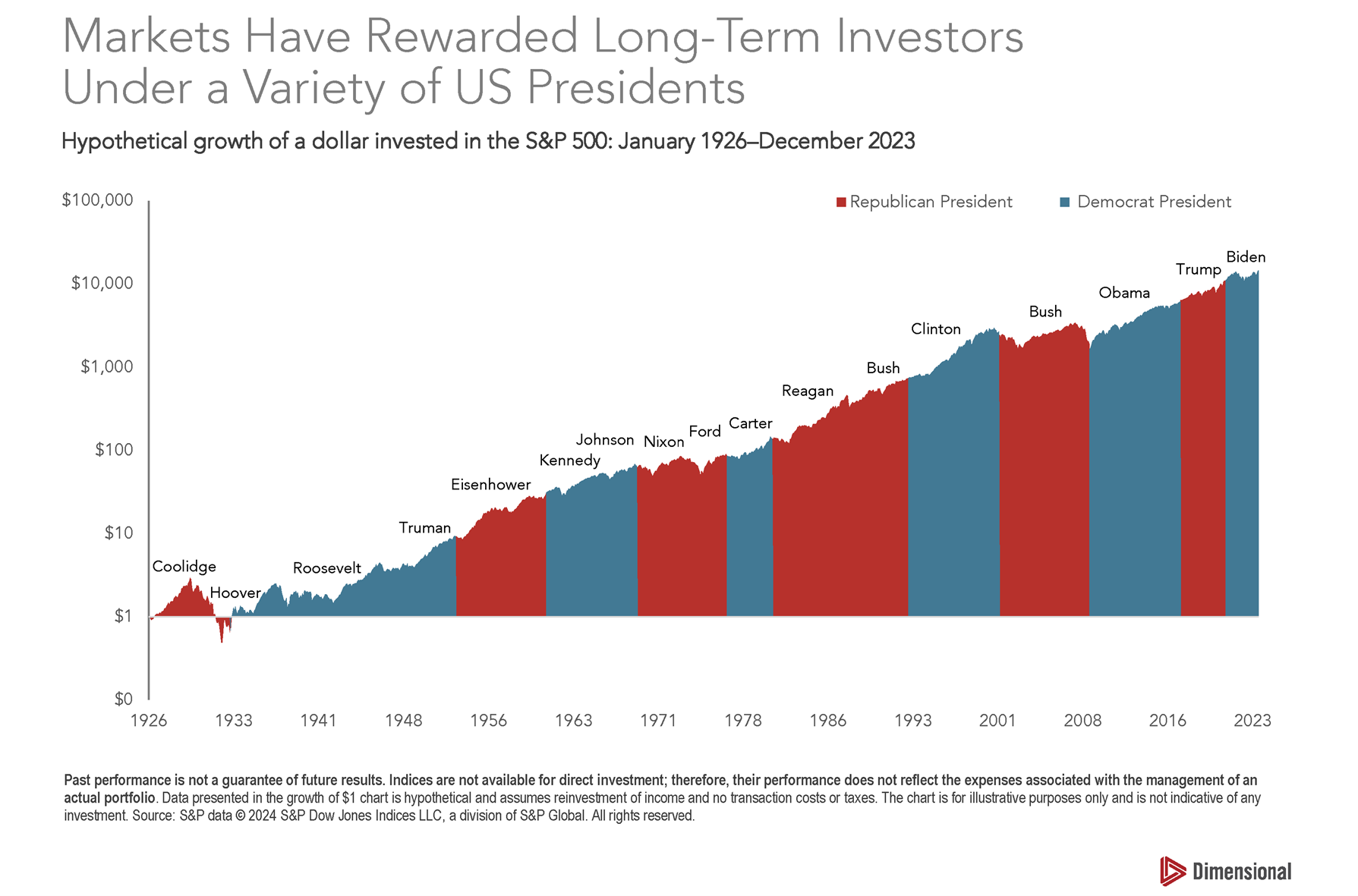
The start of the year has certainly been interesting, with market turbulence and a constant stream of headlines adding to the sense of uncertainty. It’s natural to feel unsettled in times of change, but history reminds us that volatility is often just part of the passage from one phase to the next. We all know that January is the first month of the year, but how did the name originate, and why should it matter to you? While the word “January” first appeared in the “Middle English” period around 1,066 A.D., its root is derived from Latin and can be traced back to something that ancient Romans believed, which was that their deity “Janus” purportedly held dominion over new beginnings, along with all doorways, gates and passages. While the oversight of every doorway is obviously a lot of responsibility, as we have just completed the first month of the year, for our purposes, we’ll focus on the “new beginnings” portion of Janus’s Roman job description. That’s because while the first month of 2025 has certainly seen its share of new beginnings, the market’s recent ebbs and flows are not too unfamiliar. They are in part the result of reactions to the release of end-of-year economic data and corporate earnings reports for the fourth quarter. Those were coupled with responses to the new administration’s trade directives, along with a nearly 10% tech correction (the result of a now-under-scrutiny DeepSeek AI rollout), and, finally, the policies of the Federal Reserve. All of this is to say that January gave investors a ride that could be described as hardly smooth but the current volatility is far short of anything we haven’t experienced in the markets many times before. As illustrated in this graphic, market performance under every president since 1933 reveals a common pattern: most new administrations face a period of initial market volatility as investors assess how new policies will impact key economic fundamentals. Historically, markets tend to find their footing, with the strongest gains typically occurring in years three and four of a presidency—once policies take shape, uncertainties fade, and the real economic impact becomes clearer. Before I get into Market specifics, however, a quick reminder: Long-range planning and investing? These things aren’t about avoiding every bump, pothole, or dip. Turbulence is, in fact, not only a natural part of the investing experience, but also an opportunity to both adapt and to apply the lessons learned to future decision making and financial planning. Remember, market volatility is normal. Market volatility is a normal part of investing, and while it can be unsettling, it often signals shifts beneath the surface. Yes, Tech stocks recently came close to a 10% correction, but it’s important to keep perspective. Many of the sectors that lagged behind last year—including international stocks—were among January’s strongest performers. In the investment world, we call this sector rotation or market broadening—a healthy and expected shift where market leadership moves from one sector to another, helping to create a more balanced and sustainable market. Rather than viewing recent turbulence as a cause for concern, it’s a reminder that markets evolve, opportunities emerge, and diversification remains key. We sometimes say that, as advisors, the most important role we have in our clients’ lives isn’t picking the next “big” investment, it’s helping to keep the people we serve on course so they don’t make behavioral financial mistakes (jumping in and out of the market, for one) from which they can’t recover. With that in mind, economic growth – currently led by high rates of personal consumption and a good labor market – is still holding strong heading into 2025, you should rely on disciplined, unemotional investing practices and diversification to navigate the road ahead. In short, stick to your plan, and contact us if you have any questions or concerns. So, specifically, what did we see in January and, more importantly, what does it mean for your money going forward? Let’s begin with equities. Equities
But despite the pullback, the fourth-quarter earnings season remained strong, with 77% of reporting companies exceeding expectations and a blended earnings growth rate of 13.2%.1
Bonds
Macroeconomic Data Macroeconomics is a branch of economics that studies the behavior of an overall economy, which encompasses things like markets, businesses, unemployment rates, consumer behavior, and governments. With that definition in mind, January’s macroeconomic data showed that:
Key Themes & What Might Be Ahead 1. Market Adaptability – Companies and investors consistently adjust to new trade policies, supply chain shifts, and evolving economic conditions. 2. Monetary and Fiscal Policy Support – Central banks and governments have tools to limit economic disruptions. The Federal Reserve’s decision to keep rates steady in January reflects a measured approach, and future policy decisions will be based on progress against inflation and broader labor market trends. As new policies unfold and time takes course, the Fed will continue to reassess. Jerome Powell has given the Fed plenty of runway to respond to unexpected market events by holding off on further rate cuts for the time begin. 3. Sector-Specific Effects – All sectors are not the same, and while some face headwinds, others benefit. (This is why broad diversification is essential for your portfolio. Remember, shifts in the market often create new investment opportunities.) 4. Corporate Earnings Resilience – Large multinational companies have weathered trade tensions and economic shifts countless times before. By diversifying revenue streams, hedging risks, and adjusting costs, businesses maintain profitability and drive market recovery. 5. Market Sentiment and Speculation – Investor confidence (and perception) plays a key role in market movement. While uncertainty and emotion can drive volatility, history shows that markets often rebound once sentiment stabilizes. 6. Historical Precedent – Markets have endured political changes, trade disputes, and economic shifts before. Whether during past U.S.-China trade tensions, tariff changes, or policy shifts under various administrations, financial markets have eventually adapted and continued their long-term growth trend. Always keep a long-term perspective. While recent market volatility may have been great for media headlines and clicks, short-term fluctuations are a normal part of investing, and history shows that markets are resilient and adaptable and have a history of moving higher over the long-term. Middle English. January. Turbulence. Policy shifts. What our three decades of experience has shown us is that the best investment strategy is to ignore the noise of the day and stay focused on long-term objectives. And, make sure you’re taking care of yourself. Whether you’re feeling overwhelmed or overjoyed – stay in touch with people who help you feel grounded and content. Call us if your feeling concerned or looking for some feedback – our team is always happy to listen and provide valuable perspective. We sincerely appreciate your loyalty, and we look forward to seeing you soon. Please contact us if you have any questions. Friend us on Facebook or follow us on Twitter. Your team at ProsperPlan Wealth, Lauren M. Williams, CFP®, CRPC®, MBA Sean Harvey, Director of Financial Education Shannon Auger, Administrative Partner
For additional news, updates and information about investing, retirement, the economy, and your relationship with ProsperPlan Wealth, please friend us on Facebook or follow us on X. Sources: 1 With or Without You – NewEdge Wealth 2 United States Non-Farm Payrolls 3 Here’s the inflation breakdown for December 2024 — in one chart 4 Final: Consumer sentiment decreased 2.9 points in January | ABA Banking Journal |
2025: A Strong Start or a Bumpy Ride?

Chris Grellas, CFP®, MSFA
Chris Grellas CFP®, MSFA is co-founder and financial advisor at ProsperPlan Wealth, bringing over a decade of experience in retirement planning, tax-efficient strategies, and investment management. He holds a Master of Science in Financial Analysis from the University of San Francisco.


PROSPERPLAN NEWS AND RESOURCES
Hear From Lauren and Chris
News from the ProsperPlan world of financial planning, investing, client relationships, and current events.
- Categories: Executives & Business Owners
Insights
